
The Complete Guide to Choosing a Mineral Sunscreen
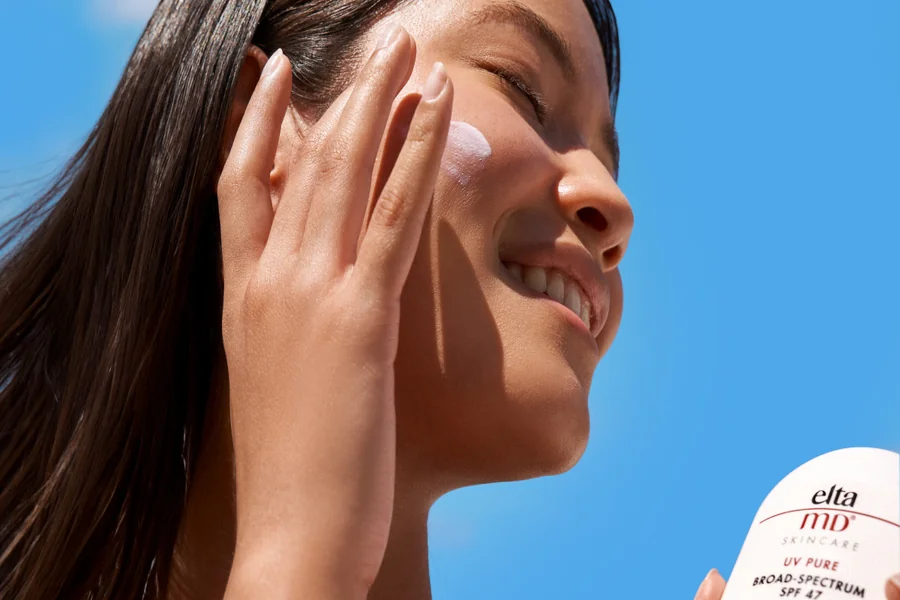
Mineral sunscreen has earned a loyal following, and for good reason. It’s often recommended for sensitive skin, post-procedure care, and anyone trying to simplify a sun protection routine without sacrificing effectiveness. But once you start shopping, the category gets confusing fast. Zinc oxide or titanium dioxide? Tinted or untinted? SPF 30 or 50? Water-resistant or everyday wear?
Choosing well comes down to understanding a few fundamentals. When you know what to look for, mineral sunscreen stops feeling like a compromise and starts feeling like a genuinely reliable part of your skincare routine.
What Makes a Sunscreen “Mineral”?
Mineral sunscreens use inorganic UV filters, most commonly zinc oxide and titanium dioxide, to protect the skin from ultraviolet radiation. These ingredients sit on the skin’s surface and scatter, reflect, and absorb UV rays before they can do damage.
That sounds simple enough, but the real advantage is often about tolerability. Mineral formulas are generally less likely to sting the eyes, irritate reactive skin, or create issues after treatments like chemical peels, lasers, or retinoid use. Dermatologists frequently suggest them for people with rosacea, eczema-prone skin, and children for exactly that reason.
Zinc Oxide vs. Titanium Dioxide
Zinc oxide is the heavyweight ingredient in this category. It offers broad-spectrum coverage across both UVA and UVB ranges, which matters because UVA rays contribute heavily to pigmentation and premature ageing.
Titanium dioxide is also effective, particularly against UVB and shorter UVA wavelengths, but on its own it may not offer the same breadth of protection as zinc oxide. Many formulas use both together, which can improve texture and coverage.
If you’re trying to read labels more critically, this is a good place to start: broad-spectrum protection with a meaningful percentage of zinc oxide is often a strong sign of a well-built mineral sunscreen.
The First Things to Check on the Label
A good sunscreen label tells you more than just the SPF number. It gives clues about how the product will behave on your skin and whether it suits your lifestyle.
Here’s a practical checklist:
- Broad-spectrum protection
- SPF 30 or higher for daily use
- Zinc oxide high on the ingredient list
- Water resistance if you’ll be sweating or swimming
- Tinted formula if you want help with visible light and white cast
- Fragrance-free if your skin is reactive
That last point matters more than many people realise. Sometimes the sunscreen filter itself isn’t the issue; it’s the fragrance, essential oils, or added actives layered into the formula.
Texture Matters More Than People Admit
A sunscreen can look perfect on paper and still fail in real life if you hate wearing it. The best sunscreen, as dermatologists often repeat, is the one you’ll use correctly and consistently.
This is where formulation has evolved. Older mineral sunscreens had a reputation for being thick, chalky, and difficult to blend. Some still are. But many newer products are far more elegant, especially those designed as daily facial sunscreens rather than beach formulas. If you’re comparing products, it helps to look through curated collections of gentle mineral sunscreen skincare options that focus on wearability as much as protection. That’s often where you’ll find the most practical differences: finish, tint, hydration level, and how the formula layers under makeup.
Matching Texture to Skin Type
If you have oily or acne-prone skin, look for lightweight fluids, gel-creams, or mattifying lotions. Rich occlusive formulas can feel protective, but they may also feel heavy by midday.
Dry or compromised skin usually does better with creamier textures that include humectants and barrier-supporting ingredients like glycerin, ceramides, or squalane. For combination skin, a tinted lotion is often the middle ground: enough slip to spread easily, enough pigment to soften the cast, and enough flexibility for everyday use.
Why Tinted Mineral Sunscreens Are Often the Better Choice
For many people, the biggest barrier to mineral sunscreen isn’t irritation. It’s appearance.
Untinted mineral formulas can leave a white or grey cast, especially on medium to deep skin tones. Tinted sunscreens help offset that by using iron oxides, which also provide an added benefit: they can improve protection against visible light, a known trigger for hyperpigmentation in melasma and post-inflammatory marks.
Who Benefits Most From Tint?
Anyone can use a tinted formula, but it’s particularly worth considering if you:
- struggle with white cast
- deal with melasma or persistent pigmentation
- want light complexion evening without a full base product
- prefer a one-step morning routine
The right tint shouldn’t look like makeup unless that’s the intent. At its best, it just makes the sunscreen more wearable.
SPF 30 vs. SPF 50: Does It Really Matter?
Yes, but maybe not in the way people think.
SPF 30 blocks roughly 97% of UVB rays, while SPF 50 blocks about 98%. That difference sounds small, yet it becomes more meaningful when sunscreen is underapplied, which most people do. In practice, SPF 50 gives you a bit more room for error.
That said, a beautifully formulated SPF 30 you apply generously every day is far better than an SPF 50 you avoid because it pills, stings, or leaves a cast. Consistency still wins.
Daily Use vs. Outdoor Use
For office days, commuting, and incidental exposure, SPF 30 broad-spectrum mineral sunscreen is usually a reasonable baseline. If you’ll be outdoors for extended periods, exercising, swimming, or travelling somewhere sunny, move up to SPF 50 and make sure the formula is water-resistant.
Common Mistakes When Choosing Mineral Sunscreen
One of the biggest mistakes is assuming all mineral sunscreens are automatically better for everyone. They can be an excellent option, but the “best” product still depends on your skin tone, skin type, environment, and habits.
Another common misstep is focusing only on ingredients while ignoring finish. If a sunscreen feels unpleasant, it usually ends up forgotten on the shelf.
Finally, people often forget to think beyond the formula itself. How much are you willing to apply? Will you reapply it? Does it work under your moisturiser or makeup? Practical questions tend to lead to better choices than marketing claims.
The Bottom Line
Choosing a mineral sunscreen isn’t really about chasing the most expensive tube or the highest SPF on the shelf. It’s about finding a formula with strong UV coverage, good skin compatibility, and a texture you’ll actually want to wear.
Start with broad-spectrum protection, prioritise zinc oxide, and pay attention to finish, tint, and comfort. If you get those details right, sunscreen becomes much easier to use consistently, which is what protects your skin in the long run. In a category crowded with claims, that’s still the smartest standard to use.