
Why So Many Couples Get Their Wedding Rings Wrong
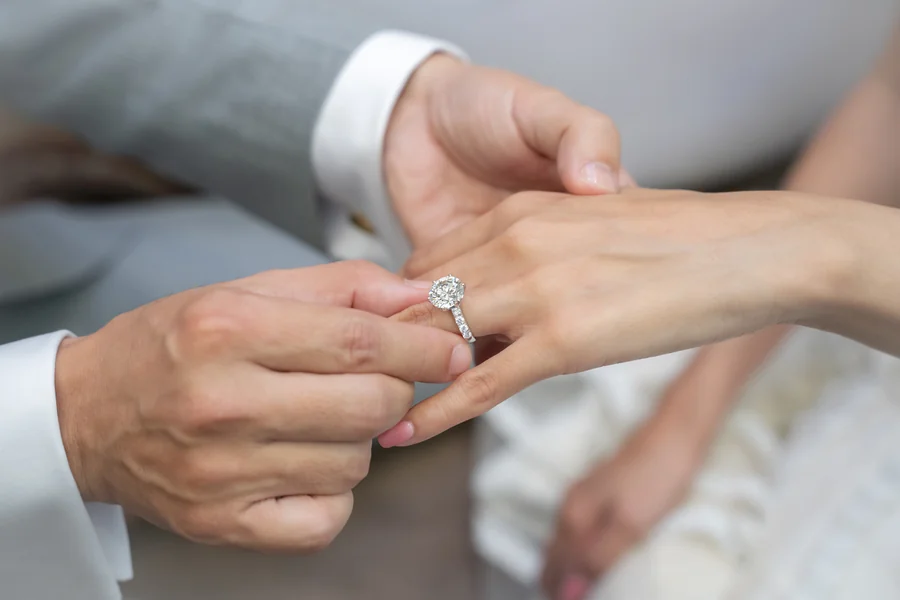
Long before diamonds became fashionable and hashtags took over engagement stories, a wedding ring was mostly valued for one plain fact: someone would wear it every single day, through washing up, gardening, illness and old age. Historians who study ordinary lives often find more truth in a worn ring than in any wedding photograph, because a ring records decades rather than a single afternoon.
That is usually where the couple wedding ring in Singapore search begins: with a photograph saved on a phone, not a plan for how the metal will hold up against fifty years of dishwater, gym weights and tropical humidity. The ring you choose together says less about taste than it does about the life you expect to lead, which is exactly why the decision deserves more thought than most couples give it.
Fit Matters More Than Design
Most couples start by hunting for a matching set, and it is easy to see why. A shared design feels like a small, quiet promise. But hands are not identical, even within the same couple. One partner’s fingers might swell in the heat, or thin out after a long illness, or simply be shaped differently at the knuckle.
A ring that sits beautifully on one hand can pinch or spin loosely on the other, even if both were cut from the same design. The better approach is to choose rings that share a language, the same metal tone or a similar width, and let each one be shaped to the hand that will actually wear it.
The Sizing Mistake Almost Everyone Makes
Here is a mistake almost every jeweller has seen and almost no couple expects. Rings are usually measured in the afternoon, indoors, in air conditioning, when fingers are at their smallest all day. That measurement then follows the ring for the rest of its life.
Fingers swell after exercise, after a salty meal, and in humid weather, which describes most days in Singapore. The fix is simple: get sized again in the evening, after normal activity, not first thing in the morning in a cool showroom. It costs nothing and prevents years of a ring that never quite feels right.
What The Metal Has To Survive
Most guides will tell you to pick the hardest, most scratch resistant metal available. The real answer depends on whether your hands, and your marriage, are likely to change. Harder metals such as tungsten or ceramic resist scratches beautifully but cannot be resized or repaired if a joint swells later or the ring is dented. Softer metals such as gold or platinum can be re-shaped, re-sized and repolished for as long as you keep them.
Before choosing a metal, it helps to ask a few honest questions together:
- Does either of you do manual work, heavy lifting, or anything that knocks your hands about?
- Is your weight likely to change noticeably over the coming years?
- Do you want the option to resize the ring later without buying a new one?
A Short History Of Wearing Two Rings
For much of history, a ring exchanged between two people was not simply sentimental. It was a visible, public sign that a private agreement had been made, one that neighbours, family and even the law were expected to recognise on sight. A hand carrying a ring told a story before its owner ever spoke a word.That is worth remembering when the shopping starts to feel like just another errand. The two of you are not merely picking an accessory. You are choosing the one object that will sit on your hand through every ordinary day that follows, long after the wedding itself is a memory.
Deciding Together Without Losing Yourself
The healthiest approach is often the least romantic sounding one: try the rings on, wear them around the shop or even for a few days if the jeweller allows it, and notice how each one actually feels rather than how it photographs. A jeweller such as Calla Lily Fine Jewellers can also help you think through how different designs sit together, particularly when you want each ring to feel individual without looking disconnected.
If your budgets or tastes differ, it is perfectly normal to choose rings that are not identical. A marriage built on honesty about small things, including money and comfort, tends to be a good sign for the bigger things ahead.
In the end, the ring itself matters less than the care you both put into choosing it. Slow down, try things on properly, ask the unglamorous questions about sizing and metal, and let the final decision reflect the two people who will actually wear the rings, not just the two people standing in the shop on the day you bought them.