
A Step-by-Step Guide to ICSI Fertility Services in South Carolina
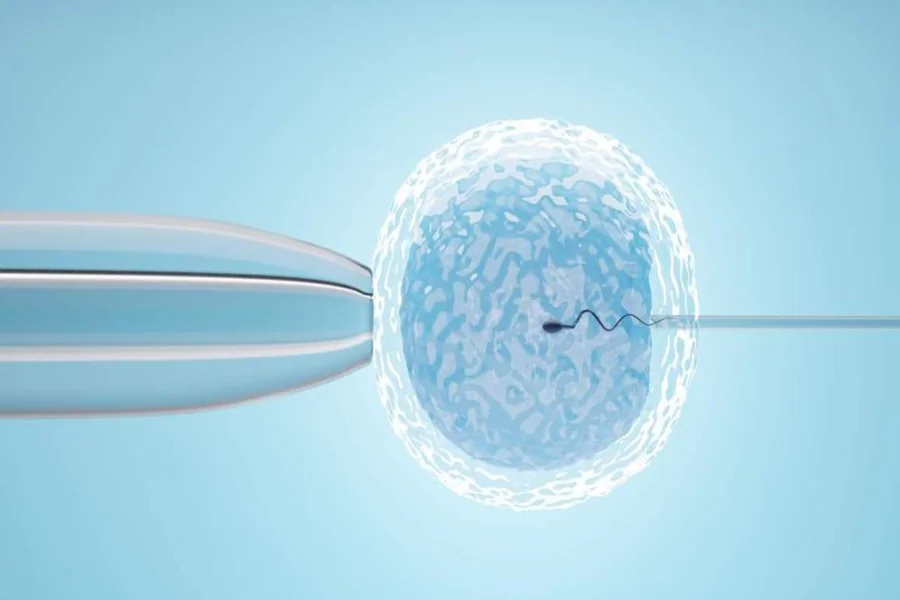
ICSI can sound complex at first. A step-based view can make the process easier to follow.
Patients may look at tests, visits, lab work, and cost before a cycle in South Carolina. Here are the main steps to review before treatment starts.
Step 1: Review the Reason for ICSI
ICSI is used when sperm may need direct help to fertilize an egg. For example, ICSI fertility services in Charleston, SC, may be discussed after low sperm count, poor movement, or past IVF results. A doctor may also review egg number, prior lab results, and health history.
A clear reason helps each visit feel less vague. The team may explain how ICSI differs from standard IVF in the lab. One sperm is placed inside each mature egg. That lab step is the main point of ICSI.
Step 2: Complete Testing in South Carolina
Testing usually comes before the cycle plan. Blood work may check hormones and ovarian reserve. An ultrasound may review the uterus and ovaries. A semen analysis can show sperm count, shape, and movement.
Results may guide the medicine dose and lab plan in Charleston. The clinic may also review health records and prior treatment notes. This gives the team a fuller view of the case. It also helps set the next appointment dates.
Details Worth Asking About
Patients may ask clear questions at the first visit:
- Which tests are needed before ICSI
- What each result may show
- How lab updates are shared
- What costs are due before the cycle
Step 3: Start Ovarian Medicine
The medicine phase helps the ovaries produce several eggs. A nurse or doctor may explain the dose and daily schedule. Visits may include blood work and ultrasound checks. The plan can shift based on hormone levels and follicle size.
Patients in South Carolina may need early appointments during this phase. Traffic, work hours, and lab times can affect the week in Charleston. A simple calendar can help track shots, visits, and calls. This keeps the cycle organized without extra stress.
Step 4: Egg and Sperm Collection
When the eggs are ready, the clinic plans egg retrieval. The patient receives instructions for the final shot and arrival time. The sperm sample may be collected near the same time. Some cases may require a sperm retrieval procedure.
The lab team then prepares the eggs and sperm in Charleston. An embryologist chooses sperm that appear suitable for injection. Each mature egg receives one sperm under a microscope. This is the lab moment that defines ICSI.
Step 5: Embryo Review and Transfer
After the injection, the lab checks which eggs fertilize. Embryos are watched for several days.
The clinic may share updates as embryos develop. Some embryos may reach a stage suitable for transfer or freezing.
A South Carolina patient may have a fresh transfer or a later frozen transfer. The timing depends on health factors and lab results. A transfer places an embryo into the uterus through a thin tube. The visit is usually brief, with clear instructions after it ends.
Step 6: Plan the Follow-Up Test
A blood test usually comes about two weeks after transfer. This test checks for pregnancy hormone levels. The wait can feel long for many patients. A clear follow-up date can make the pause easier to manage.
For ICSI fertility services in Charleston, SC, patients can ask how results are shared. Some clinics call the same day after the lab report. The next step may depend on the number and trend of results. The clinic may also review frozen embryo options if any remain.
ICSI includes testing, medicine, egg retrieval, sperm selection, lab injection, embryo review, transfer, and follow-up. Each step has a purpose, so a written list can help at appointments.
Patients in South Carolina can ask about the schedule, cost, lab updates, and possible next steps. A clear plan can make ICSI feel less confusing from the first visit.